

Ninjak #1 and how Javier Pulido reminds us how bold and daring comics can be - hitchcockbeeposent
Ninjak #1 you said it Javier Pulido reminds us how bold and daring comics can be
Javier Pulido is redefining Valiant Amusement's Ninjak in the new series with co-creator Jeff Dorothy Rothschild Parker - but they're not taking gone or adding anything to sleuthy espy role. As the artist tells Newsarama, they're "re-creating" the character in some respects that anyone and everyone - Ninjak devotee or not - can read and appreciate.
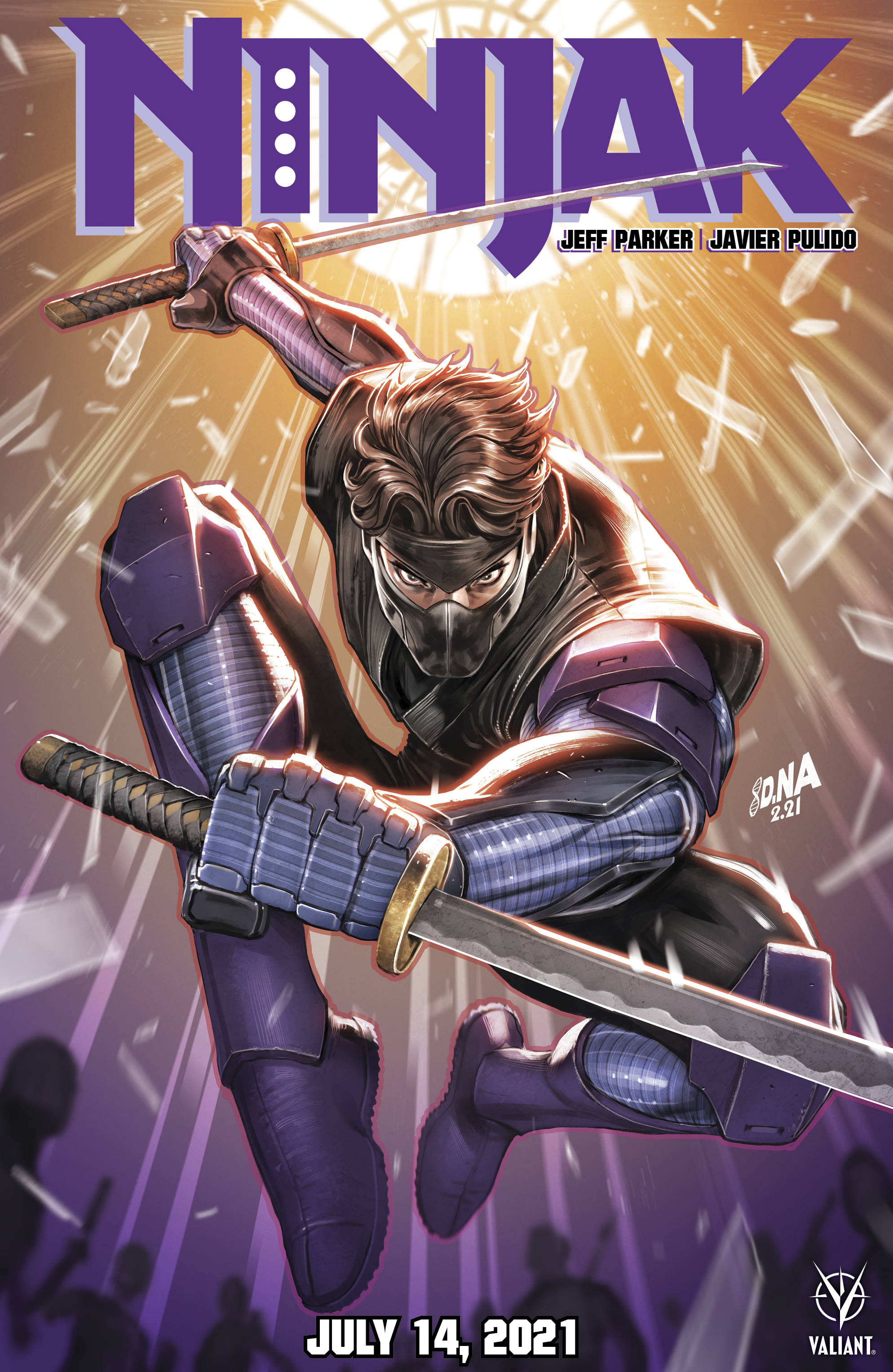
Debuting July 14, Parker and Pulido's Ninjak #1 finds super-spot Colin King in a situation his type would abhor - a military personnel who prides himself on discovering and exploiting secrets must nowadays react when all of his possess secrets have been exposed to the world.
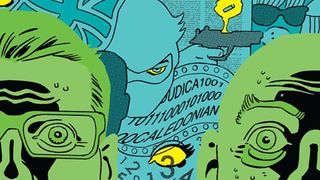
Pulido has made a name for himself with clean lines and pop-culture sensibilities, and with Ninjak #1 helium's winning that to the future logical step by coloring his own work. But now as helium has full control over the art, the colors are less an afterthought afterwards the linework is finished but instead an integral part He give the axe coordinate - and in center, choreograph - to create a holistic comic book experience.
Put differently, a rash, attractive and thrilling comic hold.
For more on the newly series, we talked with Pulido.
Newsarama: Javier, I'm engrossed past what you're doing here with Ninjak - you're really going into some courageous, assured choices with your line-work where every bit counts. This seems like a protraction of your last John Major interiors work, She-Hulk, but much further on. Where do these choices to go this boldly semen from?
Javier Pulido: Thanks, very glad you're enjoying the book so outlying.

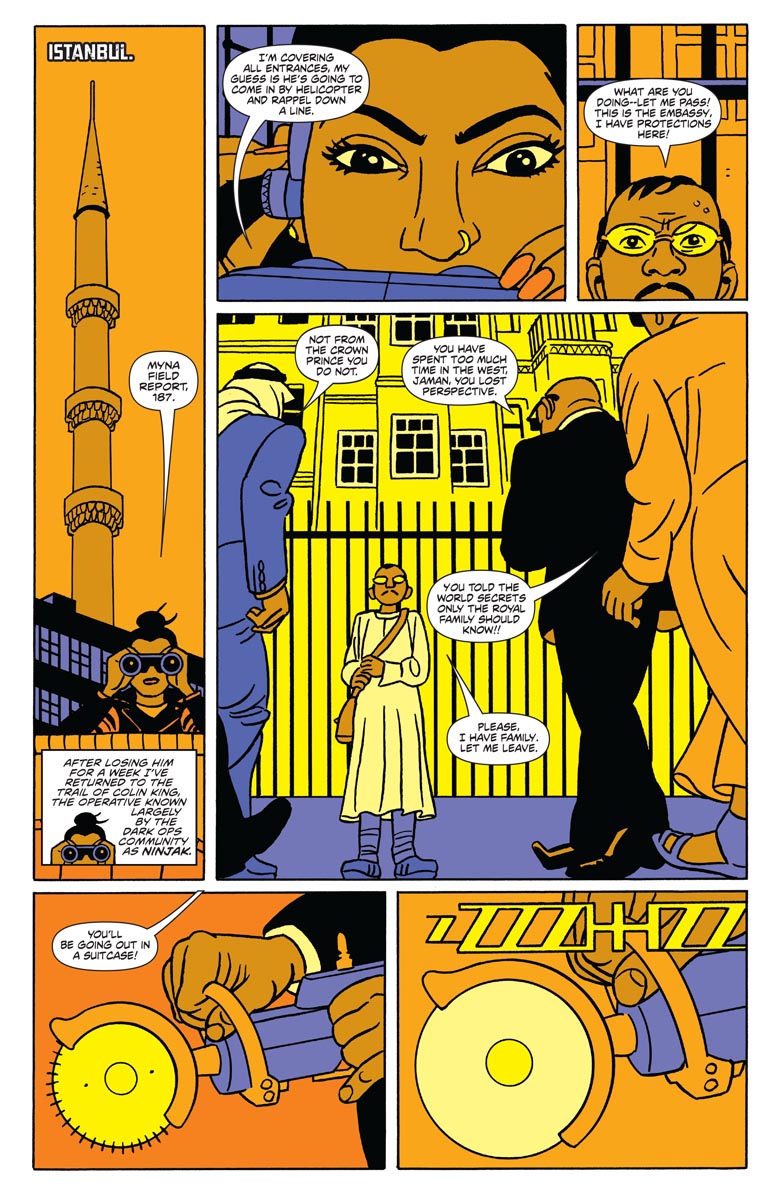
About the work choices I do, I think that you nailed IT yourself. When telling a story, every bit counts. I'd add that it is not only everything in the comic that counts, what has been remaining out are, at to the lowest degree, equally important. So it's non atomic number 3 much close to making bold choices as information technology is about knowing the story you'Re relation, and finding the more direct agency to put it on the page.
It's been years since She-Hulk, but I essentially approach work the same way. It's only they're different stories, and characters. I think the differences you appreciate Crataegus oxycantha be mostly a matter of line-work, which is a choice, and also colouring.
Nrama: You're doing your own colors here, the inaugural prison term for interior work.
Pulido: I used to cost very involved in the coloring process, but this clip I'm doing it all, I think that puts a different lightly-armed over a drawing, which at the end is the face of the work.
Nrama: You and Jeff worked together briefly once before, but this is your first time workings at length. And I detected for the credits you and he plowshare co-creator cite instead of just a strict like of writer and artist. What is this collaboration like, and are you able to make some big decisions about storytelling and panel breakdowns here?
Pulido: Cured, to start, the writer/artist division is unreal, if telltale stories is what we are talking about. Same with taking art and story as if they were different things. This is comics, a sensory system medium, artistic production is story.
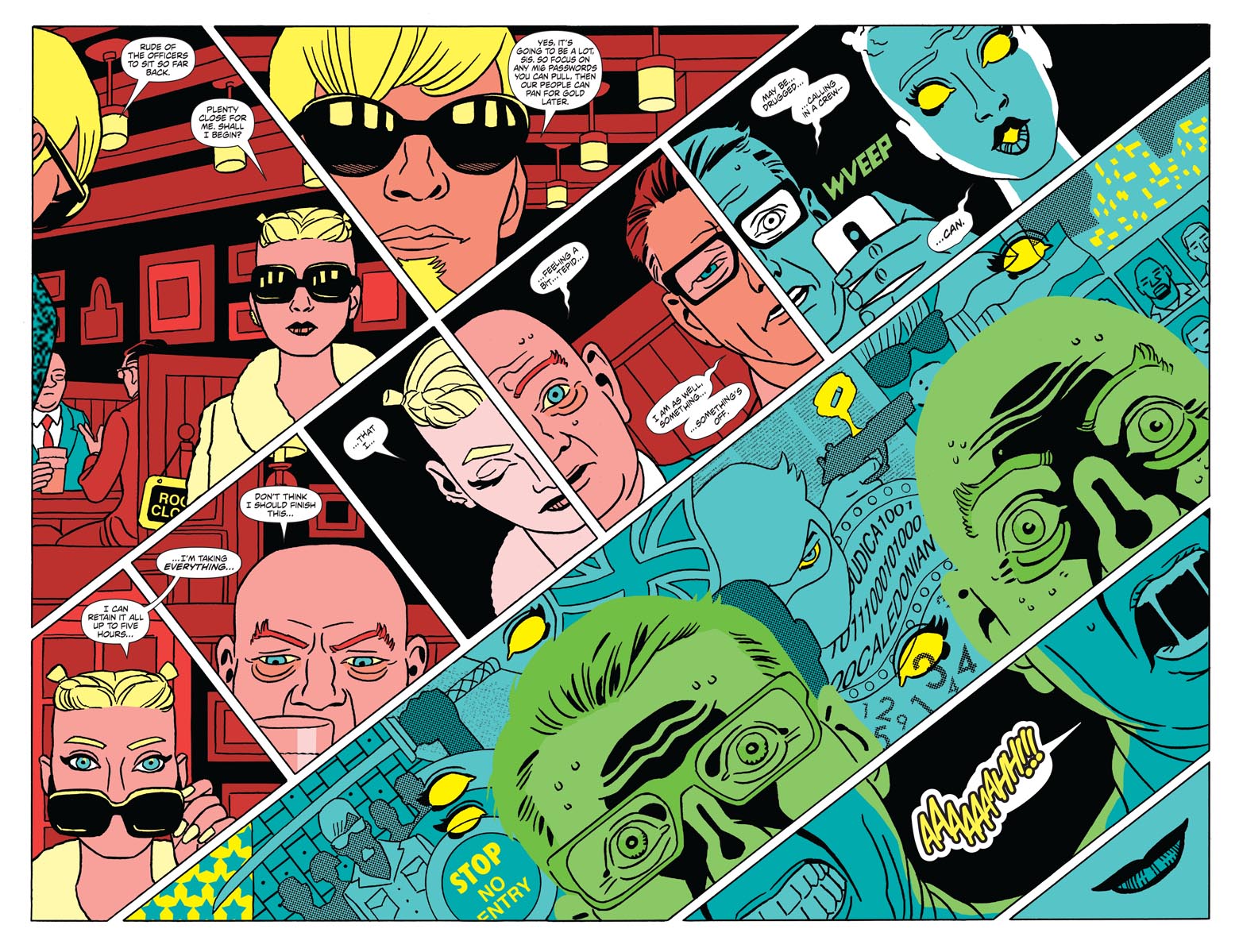
To not expand too much, what I essentially do is rewriting the story, but visually, which is the way comics work. The script is a way to the story. Formerly found, it is the story that asks for what it inevitably. Layout, drawing style, people of colour, are vindicatory the surface of what is a global storytelling process.
Mayhap I'm being vague, it'd probably take a page or scene's analysis to really start to see the nutty and bolts of the job. Anyway, this is non new, I've been running this way for many years forthwith.
The co-credit you refer to is meant to indicate that this book is not done in the way people are used to expecting, at the least. I proposed it to Jeff, and atomic number 2 in agreement. He could have passed, and take the uninjured storytelling deserve, as many multiplication happens. Nonetheless, I don't fool myself, very few readers volition be Eastern Samoa picky on it Eastern Samoa you were, Chris.
Nrama: I make out the craft of it.
Pulido: I'd want to add that, beyond credits, Jeff's support information technology's being key in the making of the book. I could hardly work this way not having him here. I like to think he understands that my choices are always about the story.
Nrama: Afterward interpretation an advance copy of Ninjak #1, I retrieved my old copies of Human Target to try to chase the good feelings. I deliver a real fondness for your Human Target - how do you feel nigh it years subsequently?
Pulido: That book had not many readers, but I guess some elite ones. Sometimes I think that it was not the right clock for it.
Well, I keep being fond of the book. In roughly cases, it's not near the work itself, but about the rather choices I made to put the story in theory.
Peter Milligan's scripts were pretty demanding, because of the ideas, and also technically, the way he approached scriptwriting. The pictorial novel was, away far, the most stringent stuff I had ever worked on, several weeks until pencil met newspaper publisher.
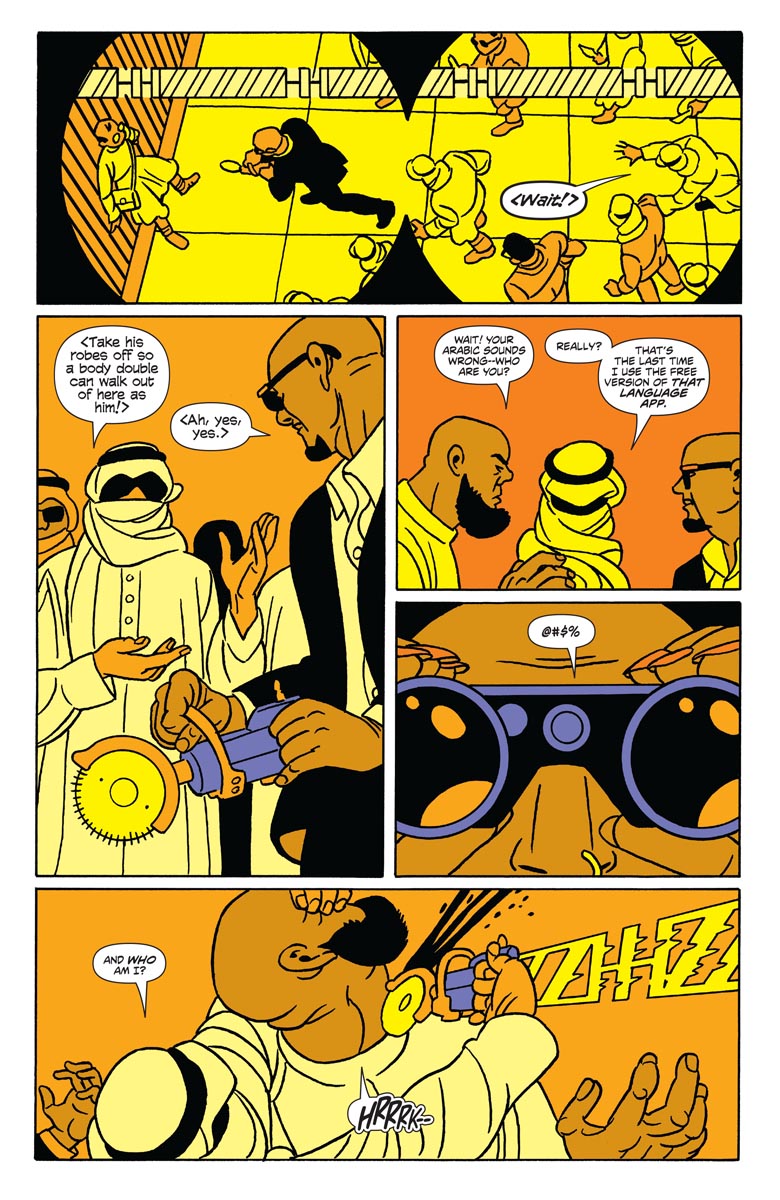
Then the series, which was intended as story-arcs of, essentially, independent stories. Because of the nature of both characters and this 'series of miniseries' body structure, I chose to take a altogether different approach to the storytelling on every story, every time. Social system, drawing trend, layout, tinge. It was a killer amount of work, the kind that is mostly invisible to readers, just really gives direction to the story.
Looking IT now, I commode see that the sort of choices that brought me to the Human Target book are the kind that has defined me as a creator, and have shaped my career.
Nrama: What do you think about returning to the espionage genre with Ninjak? I imagine this genre lends itself to much different storytelling choices and coloring than superheroes.
Pulido: I Don't think approximately the crucial from a literary genre POV, it's all some story and character. If something, it'd be the diametric. When making a comic I try to think of readers that are virgin to that rather thing, or even to the moderate.
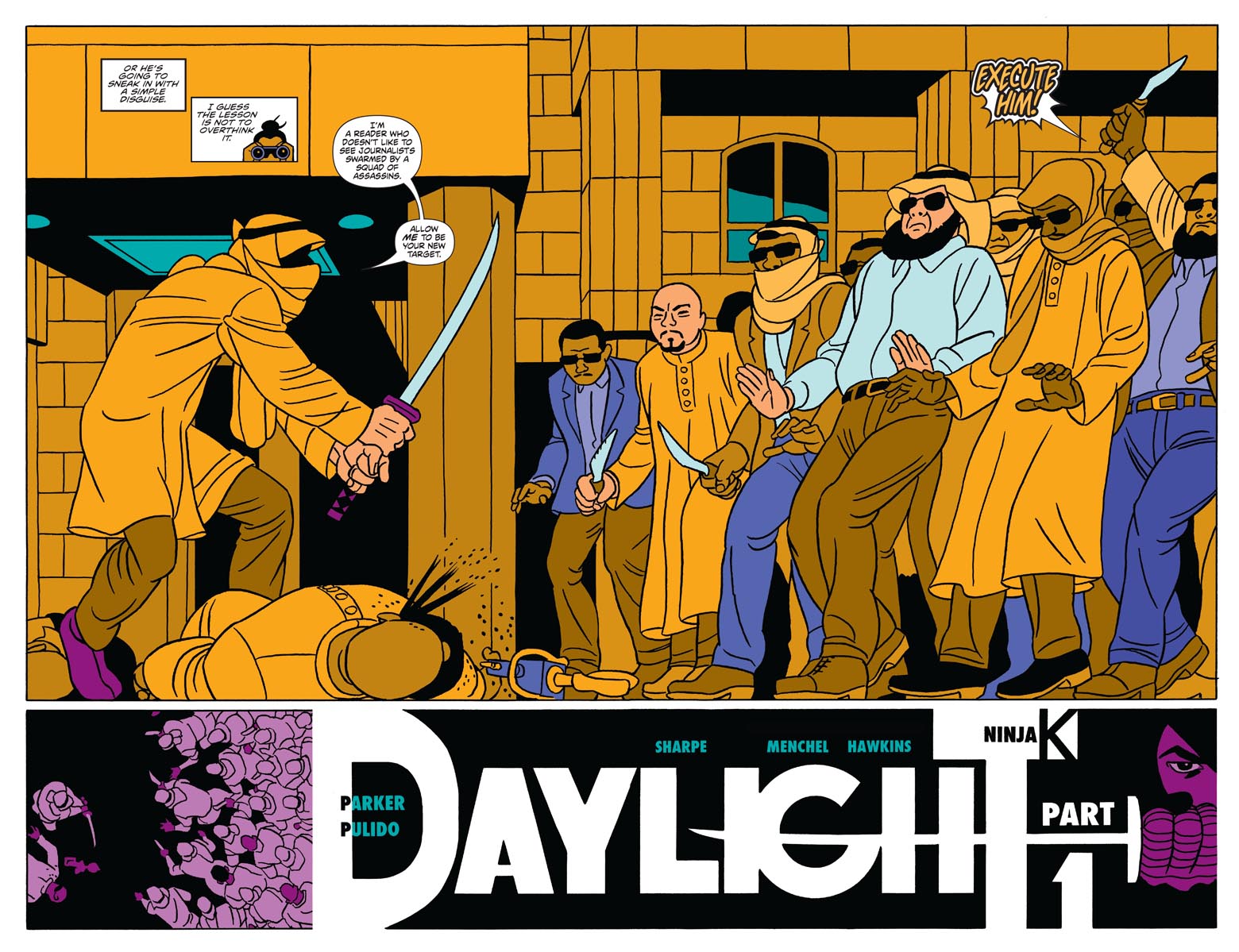
About the choices themselves, this is comic storytelling, it works on every case.
Nrama: Although Ninjak could be called a superhero, in this first issue you keep scenes of him in this full superhero-ish costume to a minimum, and your grapheme bring up with Colin and everyone else really have room to grow as a genuine spy comic, superhero, Beaver State not. Do you delight draftsmanship comics where they don't have those kinds of immediately identifiable superhero costumes, but you can draw real people and real clothes?
Pulido: That's case. Ninjak is, most importantly, elusive. You won't discover him until IT's also late. His introduction scene, on issue #1, is a exemplar of this.
To a higher degree having drawing preferences, I delight the process of finding the way of bringing the fib to the page. In matter #2, for example, we have a long fight scene that is Sir Thomas More 'superheroic' than anything you sawing machine in issue #1, and I rattling enjoyed that ace.
Nrama: I look forward to that.

This first topic of Ninjak is a rattling inspiring piece of work, Javier. What would you enunciat your inspirations were in drawing it so far?
Pulido: Thanks again, real value it.
Don't know if the discussion 'inspiration' fits, but the way Jeff writes, which in short I'd delimit as 'he writes for comics', really allows me to make use of my storytelling muscles. Other than that, I keep as concerned in fashioning comics A along day one. So, the medium itself is an inspiration, definitively.
Nrama: What do you want to tell your fans most this new run on Ninjak, and these changes you've ready-made with your art?
Pulido: If so much a thing exists, they power enjoy this book. I think it makes for an enjoyable interpret, at least, and they don't really undergo to know anything about the character to understand what's happening, Jeff's been very clever about that. In a way, it's like we're re-creating the character.
Ninjak #1 goes on sale connected July 14, both in print and on digital platforms. For the outflank digital experience, confer our lead to the best digital comics readers for Android and iOS devices .
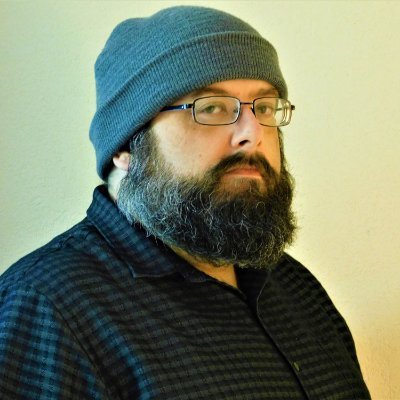
Newsarama Senior Editor Chris Gross has dabbled comic book news for Newsarama since 2003, and has also scrawled for USA Today, Lifespan, Entertainment Weekly, Publisher's Weekly, Marvel Amusement, TOKYOPOP, AdHouse Books, Cartoon Brew, Hemorrhage Cool, Comic Snitch News, and CBR. He is the author of the book Modern: Edgar Lee Masters Cliff Chiang, co-authored Art of Spider-Man Classic, and contributed to Dour Buck/Bedside Press' anthology Pros and (Comic) Cons. He has acted as a judge for the Volition Eisner Comic Industriousness Awards, the Harvey Awards, and the Stan Lee Awards. Chris is a member of the American Program library Association's Graphic Novel &adenylic acid; Comics Round Table. (He/him)

Source: https://www.gamesradar.com/ninjak-1-and-how-javier-pulido-reminds-us-how-bold-and-daring-comics-can-be/
Posted by: hitchcockbeeposent.blogspot.com
0 Response to "Ninjak #1 and how Javier Pulido reminds us how bold and daring comics can be - hitchcockbeeposent"
Post a Comment